 Busirank Team
Introduction
Word of mouth has always been the most trusted form of local marketing. A neighbor recommends a plumber, a coworker suggests a dentist, a friend raves about a café—and the recommendation carries more weight than any ad. The problem is that most local businesses leave referrals to chance. They happen sometimes, but there is no system to encourage, track, or reward them.
A local business referral program turns informal word of mouth into a repeatable growth channel. It gives happy customers a clear reason to refer, makes sharing easy, and rewards the behavior you want to see more of. Done well, referrals bring in customers who are pre-trusted, cost less to acquire, and often have higher lifetime value.
This guide explains how to build a referral program that actually generates local customers. You will learn how to design incentives, choose the right mechanics, make sharing simple, track results, and avoid the mistakes that cause most referral programs to fizzle out.
1. Understand Why Referrals Outperform Other Local Channels
Referrals are powerful because they carry built-in trust. A new customer who arrives through a friend’s recommendation already believes you are reliable before they ever contact you.
Why referrals work so well for local businesses:
- Lower acquisition cost. You pay a reward, not a full advertising budget.
- Higher conversion rates. Referred leads trust the source and are more likely to buy.
- Better retention. Referred customers tend to stay longer and spend more.
- Local relevance. Referrals naturally come from people in your service area.
- Compounding effect. Each referral brings a new customer who may refer others.
Fix: Treat referrals as a core channel, not an afterthought. Give it a budget, a process, and a person responsible for it.
2. Define What Counts as a Successful Referral
Before designing rewards, define success clearly. Ambiguity leads to disputes and distrust.
Decide these rules upfront:
- What counts as a referral? A new customer who has never done business with you, who mentions the referrer’s name or code.
- When is the referral “earned”? On first purchase, first completed service, or first paid invoice. Choose a point that protects you from fraud and no-shows.
- Who can refer? Existing customers, staff, partners, or anyone. Be specific.
- Are there limits? Cap rewards per customer per year to prevent abuse.
- What about self-referrals? Exclude them explicitly.
Fix: Write your referral rules in plain language and put them on a simple page. Share it with customers and staff so everyone understands the terms.
3. Choose an Incentive Structure That Fits Your Business
The incentive is the engine of the program. It must be valuable enough to motivate action but affordable relative to your customer lifetime value.
Common incentive structures:
- Two-sided rewards: Both the referrer and the new customer receive a benefit. This is usually the most effective because it gives the new customer a reason to act.
- One-sided rewards: Only the referrer is rewarded. Simpler, but weaker for conversion.
- Tiered rewards: Bigger rewards for multiple referrals. Good for turning advocates into active promoters.
- Non-cash rewards: Free service, upgrades, priority booking, or exclusive access.
- Charity donations: Donate to a local cause in the referrer’s name. Works well for community-minded businesses.
Example incentives by business type:
- Home services: $75 credit for the referrer, $50 off for the new customer’s first service.
- Restaurant or café: A free item for the referrer, a discount for the new guest.
- Salon or spa: A free add-on service for the referrer, a first-visit discount for the friend.
- Professional services: A gift card or credit toward future invoices.
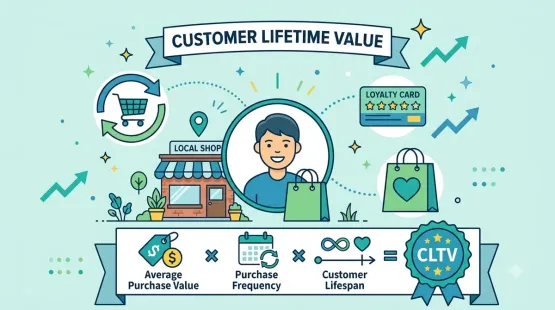
Fix: Calculate your customer lifetime value first. Keep total reward costs comfortably below the profit you expect from a new customer.
4. Make Sharing Effortless
The biggest reason referral programs fail is friction. If customers have to remember a code, fill out a form, or explain the program, most will not bother.
Ways to remove friction:
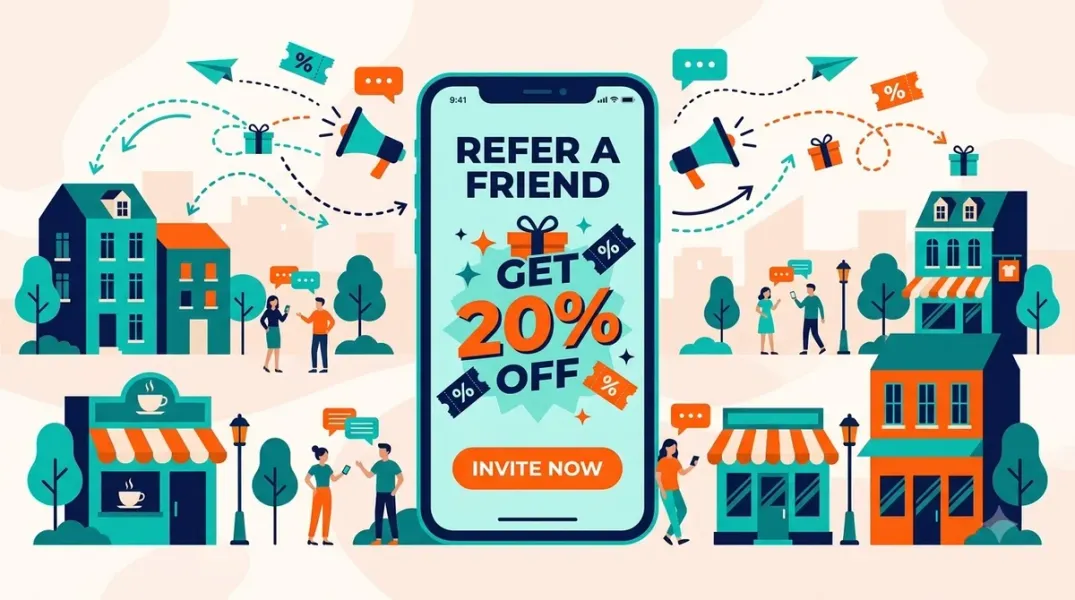
- Personal referral links. Give each customer a unique link they can text or email.
- Shareable messages. Pre-write a short message customers can send with one tap.
- QR codes. Print codes on receipts, invoices, and in-store signage.
- Referral cards. Hand out physical cards at checkout or after service.
- Email templates. Include a “Refer a friend” button in every post-purchase email.
- Text-to-share. A simple SMS link is often the easiest option for local customers.
Fix: Test the sharing process yourself. Time how long it takes from “I want to refer someone” to “the referral is submitted.” If it takes more than a minute, simplify it.
5. Ask at the Right Moment
Timing matters. Customers are most likely to refer right after a positive experience—not weeks later when the feeling has faded.
High-conversion moments to ask for referrals:
- Immediately after a successful service or purchase.
- After a customer leaves a positive review.
- After a customer compliments your team.
- At the end of a project or major milestone.
- When a customer rebooks or renews.
- During a loyalty reward redemption.
Fix: Train staff to recognize these moments and ask naturally. “If you know anyone who needs this, we’d love to help—and you’d both get a reward.” Keep it brief and genuine.
6. Use Multiple Channels to Promote the Program
A referral program only works if customers know it exists. Promote it everywhere customers interact with you.
Promotion channels:
- Website: A dedicated referral page with clear rules and a signup form.
- Email: Include referral messaging in post-purchase and newsletter emails.
- In-store: Signage, receipts, and staff mentions.
- Google Business Profile: Mention the program in posts and your business description where appropriate.
- Social media: Share customer referral stories and explain the program.
- Invoices and appointment reminders: Add a simple line with the referral link.
- Packaging: Include a referral card with every order or service.
Fix: Put referral messaging in at least five customer touchpoints. Repetition is necessary—customers often miss it the first time.
7. Track Referrals Properly
You cannot reward what you cannot track. Set up a system that records who referred whom and when a reward is due.
What to track:
- Referrer name and contact information.
- New customer name and contact information.
- Date of referral.
- Date the referral converted (first purchase or service).
- Reward status (pending, issued, redeemed).
- Total referrals per customer.
- Revenue generated from referrals.
How to track it:
- Referral software: Tools like ReferralCandy, Referral Rock, or GrowSurf handle links, tracking, and rewards.
- CRM fields: Add “Referred by” and “Referral reward status” fields.
- Point-of-sale notes: Capture referral mentions at checkout.
- Simple spreadsheet: Acceptable as a starting point if kept current.
Fix: Decide on one tracking system and use it consistently. Duplicate records and missed rewards destroy trust in the program.
8. Reward Promptly and Reliably
Nothing kills a referral program faster than a promised reward that never arrives. Customers talk—especially about being let down.
Reward best practices:
- Issue rewards within days of the qualifying event, not weeks.
- Notify both the referrer and the new customer when a reward is issued.
- Make rewards easy to redeem—no complicated conditions or expiration surprises.
- Track reward redemptions to measure program value.
Fix: Set a service-level expectation for reward fulfillment and assign someone to own it. If a reward is delayed, communicate proactively.
9. Turn Advocates Into Active Promoters
Some customers will refer once. Others will refer repeatedly if given the tools and recognition. Identify and nurture your best advocates.
Ways to build advocates:
- Thank referrers personally.
- Recognize top referrers with exclusive perks.
- Create a tiered program for repeat referrers.
- Ask satisfied customers to share their story.
- Invite top referrers to events or focus groups.
Fix: Track referral frequency by customer. Reach out to your top ten referrers each quarter with a personal thank-you and a small bonus.
10. Avoid the Most Common Referral Program Mistakes
Most referral programs fail for predictable reasons. Watch for these.
Common mistakes:
- Rewards too small to motivate. If the reward is trivial, customers will not act.
- Rewards too large to be sustainable. Unsustainable economics kill the program.
- Complicated rules. Customers will not read a long policy.
- Slow or missing rewards. This destroys trust and word of mouth.
- No promotion. A program nobody knows about generates nothing.
- No tracking. Without data, you cannot improve or prove results.
- Ignoring the new customer experience. Referred customers must be treated well, or the referrer will regret recommending you.
Fix: Review your program quarterly. Simplify rules, adjust rewards, and fix any fulfillment delays.
11. Measure Referral Program Performance
A referral program should be measured like any other marketing channel.
Key metrics:
- Number of referrals per month.
- Referral conversion rate (referrals that become customers).
- Cost per referred customer (rewards plus admin time).
- Revenue from referred customers.
- Customer lifetime value of referred vs. non-referred customers.
- Percentage of customers who refer at least once.
- Top referrers and their impact.
Fix: Compare referral cost per acquisition to your other channels. If referrals are cheaper and higher quality, increase investment in the program.
12. Integrate Referrals With the Rest of Your Local Marketing
Referrals work best when they are connected to your broader marketing, not isolated.
Integration ideas:
- Include referral messaging in your lead nurturing emails.
- Add referral rewards to your loyalty program.
- Feature referral stories in local content and social posts.
- Encourage referrals during seasonal campaigns.
- Combine referrals with review requests after a positive experience.
Fix: Make referrals a visible part of your marketing calendar. Plan referral pushes around peak seasons when happy customers are most active.
Conclusion
A local business referral program turns satisfied customers into a reliable source of new business. By defining what counts as a referral, choosing incentives that fit your margins, making sharing effortless, asking at the right moment, tracking results, and rewarding promptly, you can build a program that generates more local customers—and strengthens relationships with the customers you already have.
The best referral programs are simple, well-promoted, and consistently delivered. Start small, measure carefully, and improve as you learn what motivates your customers to share.
Call to Action
Ready to turn happy customers into your best local salespeople? Start by defining your referral rules and calculating what a new customer is worth so you can set a sustainable reward. If you want help designing a referral program tailored to your business, contact us for a free referral program consultation and get a practical plan for launch.
FAQs
Q1: What is a local business referral program?A: It is a structured program that encourages existing customers to recommend your business to others, usually in exchange for a reward for both the referrer and the new customer.
Q2: What is a good reward for a referral program?A: A two-sided reward works best—something valuable for the referrer and an incentive for the new customer. The amount should be meaningful but well below your customer lifetime value.
Q3: How do I track referrals without expensive software?A: Start with a simple system: a dedicated referral form, a “Referred by” field in your CRM or spreadsheet, and a clear process for issuing rewards. Software helps at scale but is not required to begin.
Q4: Should both the referrer and the new customer get a reward?A: Two-sided rewards usually perform better because they give the new customer a reason to act and make the referrer feel rewarded for sharing.
Q5: How often should I promote my referral program?A: Continuously. Include referral messaging in post-purchase emails, invoices, in-store signage, and newsletters. Most customers need to see the offer several times before they act.
Grow Your Google Maps Ranking on Autopilot
Stop spending hours every week manually replying to customer reviews and writing Google posts. Busirank automates your Google Business Profile to boost your local SEO rankings and turn searchers into paying clients.
 Busirank Team