 Busirank Team
Introduction
Customer data has become one of the most valuable assets a small business can own. But while large companies have entire teams dedicated to data collection and analysis, small businesses often collect valuable customer information without a clear system for using it.
At the same time, privacy regulations and browser restrictions have made third-party data less reliable. Cookies are being phased out, tracking is more restricted, and customers are more aware of how their data is used. This makes first-party customer data for small businesses more important than ever.
First-party data is information you collect directly from your customers with their consent. It includes email addresses, phone numbers, purchase history, and preferences. When collected and used properly, it helps you market more effectively, personalize experiences, and build stronger local relationships.
This guide explains what first-party customer data is, why it matters for small businesses, how to collect it ethically, and how to use it to grow your local business.
1. What Is First-Party Customer Data?
First-party data is information you collect directly from your customers or website visitors. It is data you own and control, gathered through your own channels.
Common examples of first-party data:
- Email addresses collected through a website form.
- Phone numbers provided during a booking or inquiry.
- Purchase history from your point-of-sale system.
- Loyalty program activity.
- Newsletter signups.
- Customer feedback and survey responses.
- Website behavior, such as pages visited and forms submitted.
- Customer service interactions and chat transcripts.
- Appointment and booking history.
First-party data is different from second-party data (data shared by a partner) and third-party data (data collected by external platforms and sold to advertisers). First-party data is more accurate, more relevant, and easier to use ethically because you collected it directly and with consent.
2. Why First-Party Data Matters for Small Businesses
First-party data offers several advantages for local businesses.
Better personalization: When you know a customer’s past purchases, preferences, and location, you can send more relevant offers and messages.
Improved marketing efficiency: Targeted messages based on real customer data perform better than generic campaigns. You waste less time and money reaching people who are unlikely to buy.
Stronger customer relationships: Using data to remember preferences and provide better service builds loyalty. Customers appreciate when a business remembers their needs.
Resilience against privacy changes: As third-party tracking becomes less reliable, first-party data gives you a stable foundation for marketing.
Better local targeting: First-party data helps you understand which neighborhoods and customer segments are most valuable, so you can focus your local marketing efforts.
Fix: Treat first-party data as a long-term business asset. Invest in collecting it consistently and using it responsibly.
3. Understand Consent and Privacy Basics
Collecting customer data comes with responsibility. Even small businesses need to understand basic privacy principles.
Key principles:
- Collect only what you need. Do not ask for data you will not use.
- Be transparent. Tell customers what data you collect and why.
- Get consent. For marketing emails and texts, obtain clear opt-in consent.
- Provide control. Let customers update or delete their data and unsubscribe easily.
- Protect the data. Store it securely and limit access to those who need it.
- Follow the law. Depending on your location, laws such as GDPR, CCPA, and CAN-SPAM may apply.
Fix: Create a simple privacy policy that explains what data you collect, how you use it, and how customers can contact you about their data. Link to it wherever you collect information.
4. Identify Your Data Collection Points
Every interaction with a customer is an opportunity to collect first-party data. Review your business to identify where you can collect information ethically.
Common collection points for local businesses:
- Website contact forms.
- Booking and appointment systems.
- Newsletter signup forms.
- Loyalty and rewards programs.
- Point-of-sale systems.
- Phone inquiries and call logs.
- In-store signups and surveys.
- Customer feedback and review requests.
- Chat and messaging tools.
- Event registrations and workshops.
Fix: Map out each collection point and confirm that it feeds into a single, organized system. Avoid collecting data in places you cannot track or use later.
5. Build a Simple Data Collection System
Collecting data is only useful if it is organized. A simple system ensures that data is stored consistently and can be used for marketing and customer service.
A basic system should include:
- A CRM or customer database: Store names, contact information, preferences, and interaction history in one place.
- A website form connected to the CRM: Ensure form submissions automatically create or update customer records.
- A point-of-sale integration: Connect in-store purchases to customer profiles where possible.
- A consent log: Track when and how each customer gave consent for marketing messages.
- A backup process: Regularly back up your data to prevent loss.
Fix: Start with a simple CRM. Many small business CRMs integrate with website forms, email tools, and POS systems. Even a well-structured spreadsheet with clear fields is a reasonable starting point.
6. Create a Data Collection Offer That Provides Value
Customers are more willing to share data when they receive something valuable in return.
Examples of value-based data collection:
- A discount or special offer for newsletter signups.
- A free guide or checklist relevant to your service.
- Early access to appointments or seasonal promotions.
- A loyalty program with points or rewards.
- A birthday or anniversary offer.
- A free consultation or estimate.
Fix: Make your signup offer specific and relevant to your local audience. For example, a home services business might offer “A Seasonal Maintenance Checklist for [City] Homeowners” in exchange for an email address.
7. Segment Your Customer Data
Segmentation helps you use data more effectively. Instead of sending the same message to everyone, you can tailor communications based on customer characteristics and behavior.
Useful segments for local businesses:
- New customers: First-time buyers or recent signups.
- Repeat customers: Customers who have purchased more than once.
- High-value customers: Customers who spend more or visit frequently.
- Inactive customers: Customers who have not purchased in a while.
- Service-based segments: Customers interested in specific services or products.
- Location-based segments: Customers in certain neighborhoods or service areas.
- Consent-based segments: Customers who have opted into email, SMS, or both.
Fix: Add simple tags or fields to your CRM. Update segments regularly as customer behavior changes.
8. Use First-Party Data to Improve Local Marketing
Once you have organized data, use it to make your marketing more relevant and effective.
Practical uses of first-party data:
- Personalized emails: Send offers based on past purchases or service history.
- Seasonal reminders: Use purchase history to send timely reminders, such as seasonal maintenance or reorder alerts.
- Localized campaigns: Use location data to send messages relevant to specific neighborhoods or service areas.
- Customer win-back campaigns: Identify inactive customers and send targeted re-engagement offers.
- Loyalty rewards: Use purchase data to offer rewards that match customer preferences.
- Better ad targeting: Use first-party audiences for local ad campaigns on platforms that support customer list uploads.
Fix: Start with one or two high-impact uses, such as a birthday offer or a seasonal reminder campaign. Measure results and expand from there.
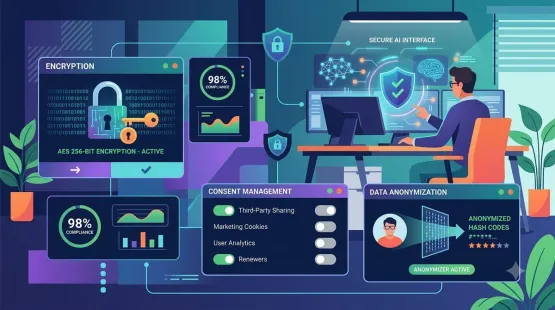
9. Protect Customer Data
Data protection is not just a legal requirement—it is a trust issue. A data breach can damage your reputation and customer relationships.
Basic data protection practices:
- Limit access to customer data to staff who need it.
- Use strong passwords and two-factor authentication.
- Keep software and systems updated.
- Avoid storing sensitive data in insecure places, such as shared spreadsheets or personal email accounts.
- Train staff on privacy and security basics.
- Have a plan for responding to a data breach.
Fix: Review who has access to your customer data. Remove access for former employees. Use secure, reputable tools for CRM, email, and payment processing.
10. Review and Improve Your Data Practices
First-party data is not a one-time project. It requires ongoing review and improvement.
Regular review questions:
- Are we collecting data we do not use?
- Are our consent records up to date?
- Are our privacy policies clear and accessible?
- Are we segmenting customers effectively?
- Are our data-driven campaigns performing well?
- Are we protecting data adequately?
Fix: Review your data practices quarterly. Update your privacy policy when your practices change. Remove outdated or unnecessary data.
Conclusion
First-party customer data is one of the most valuable assets a small business can build. It improves personalization, strengthens customer relationships, and makes local marketing more effective. It also provides a stable foundation as third-party data becomes less reliable.
By collecting data ethically, organizing it in a simple system, segmenting customers, using data to improve marketing, and protecting customer information, small businesses can turn first-party data into a long-term competitive advantage.
Call to Action
Ready to build a first-party data strategy for your small business? Start by reviewing your data collection points and confirming that every inquiry, booking, and signup feeds into one organized system. If you want help designing a simple, privacy-conscious data system, contact us for a free customer data consultation and get a practical plan for your business.
FAQs
Q1: What is first-party customer data?A: First-party customer data is information you collect directly from your customers through your own channels, such as website forms, bookings, purchases, and surveys.
Q2: Why is first-party data important for small businesses?A: It improves personalization, makes marketing more efficient, strengthens customer relationships, and provides a stable foundation as third-party tracking becomes less reliable.
Q3: Do I need customer consent to collect data?A: Yes, especially for marketing emails and texts. Be transparent about what you collect, get clear opt-in consent, and provide an easy way for customers to opt out.
Q4: What is the simplest way to start collecting first-party data?A: Start with a website signup form connected to a simple CRM, and train staff to log phone and in-person inquiries in the same system.
Q5: How should I protect customer data?A: Limit access, use secure tools, keep software updated, train staff, and have a plan for responding to a data breach.
Grow Your Google Maps Ranking on Autopilot
Stop spending hours every week manually replying to customer reviews and writing Google posts. Busirank automates your Google Business Profile to boost your local SEO rankings and turn searchers into paying clients.
 Busirank Team